You have a valid visa and an EAD at the same time - which one you work on and why it matters
8 mins read | Oct 6, 2026
A PRACTICAL GUIDE TO THE O-1B FOR WORKING MUSICIANS
Contributor
Tukki
Reading time
6 mins read
Date published
Mar 31, 2026
If you're a professional musician looking to work in the United States, the O-1B visa for musicians is one of the most direct paths available. The O-1B is a nonimmigrant visa for individuals with extraordinary ability in the arts, and it covers performers, composers, producers, and session musicians alike. Unlike the H-1B, it has no annual cap, no lottery, and no degree requirement. You need to meet at least 3 out of 6 criteria that USCIS (United States Citizenship and Immigration Services) uses to evaluate extraordinary ability in the arts, and the career you've already built likely satisfies more of them than you'd expect.
Many musicians hear "extraordinary ability" and assume the O-1B is reserved for Grammy winners or global headliners. It's not. The visa is designed for people who have risen above the ordinary in their field, and years of touring, recording, collaborating with recognized artists, and earning critical recognition are exactly the kinds of accomplishments USCIS looks for. This guide walks through each criterion with music-industry-specific examples, explains how sponsorship and advisory opinions work, and covers what you can do now to strengthen your case.
The O-1B falls under the arts category of the O-1 classification, which makes it the natural fit for musicians. The O-1A covers business, science, education, and athletics, while the O-1B covers the arts (including performing arts), the motion picture and television industry. As a musician, you fall squarely into the O-1B arts category, which uses a separate set of 6 evidentiary criteria tailored to creative careers.
What makes this visa especially appealing for musicians is its flexibility. There's no minimum salary requirement, so early-career income gaps won't disqualify you. There's no degree requirement, which matters in an industry where talent and track record outweigh formal education. And there's no annual cap or lottery, meaning you can file whenever you're ready rather than waiting for a limited application window. Initial validity runs up to 3 years, with unlimited extensions in 1-year increments after that.
If you're not sure whether the O-1A or O-1B is the better fit for your profile, try the Visa Match tool to compare your options based on your background and goals.
USCIS evaluates O-1B visa requirements for musicians against six evidentiary criteria. You need to satisfy at least three with well-documented evidence. Here's how each one maps to a working musician's career.
If you've performed as a headliner, lead artist, or featured soloist at recognized festivals, concert series, or tours, this criterion applies. USCIS looks for evidence that you have performed, and will perform, services as a lead or starring participant in productions or events that have a distinguished reputation. Think headline slots at major festivals, principal roles in orchestral or opera productions, or featured billing on tours with established artists. Past performance evidence includes posters, contracts, and programs showing your name in a lead position. For upcoming engagements, include confirmed bookings, signed contracts, or offer letters for future productions or events that carry a distinguished reputation.
Press coverage and critical reviews are among the most accessible criteria for musicians. Published reviews of your albums, performances, or compositions in outlets with real circulation count here. So do features in music magazines, radio interviews, and profiles in national or international media. The coverage must focus on you and your work specifically, not just a passing mention in a festival lineup.
Chart placements, certified sales figures, streaming milestones, and box office records for tours or concerts all demonstrate commercial success. Critically acclaimed releases, even without blockbuster sales, also qualify if you can show strong reviews, award nominations, or inclusion in best-of lists. USCIS wants to see that your work has achieved measurable recognition, whether through audience reach or critical praise.
Awards and honors matter here, but they don't need to be Grammys. National music awards, grants from arts councils, fellowships, or recognition from cultural institutions all qualify. Nominations for well-known awards also carry weight. The key is showing that experts in the music industry, not just fans, have recognized your work as outstanding.
If your earnings from performances, recording contracts, royalties, sync licensing, or session work are high compared to other musicians in your genre or region, this criterion is in play. USCIS compares your remuneration to others in similar roles, so contracts, tax returns, royalty statements, and booking agreements that show above-average compensation serve as strong evidence.
If you hold or will hold a lead, starring, or critical role for an organization or establishment with a distinguished reputation, this criterion applies. For musicians, this could mean serving as a principal player or section leader in a recognized orchestra, holding a position as a resident artist at a renowned venue or institution, being a signed artist on a well-respected label, or working as a core member of a distinguished ensemble. Like the productions criterion, USCIS evaluates both past and future roles, so include evidence of current or past positions alongside confirmed upcoming engagements with these organizations.
You don't need all six. Three strong criteria with solid documentation can win the case. For a detailed breakdown of O-1B requirements and evidence standards, explore the O-1B visa guide.
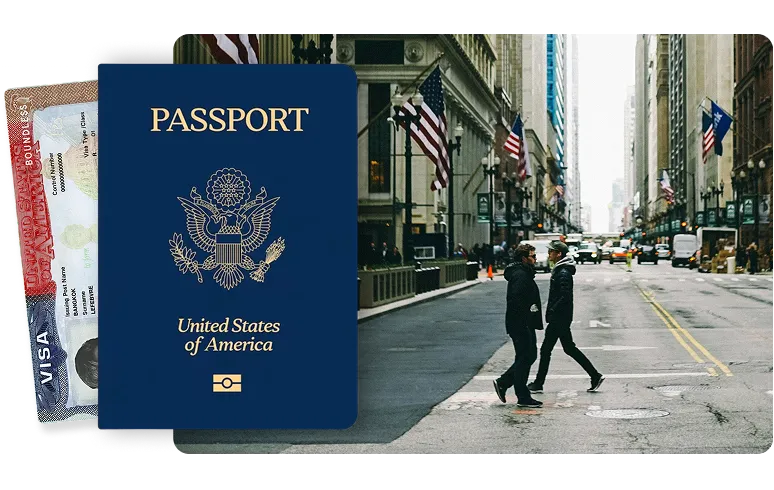
Every O-1B visa petition requires a U.S. employer, agent, or organization to serve as the petitioner and file Form I-129 (Petition for a Nonimmigrant Worker) on your behalf. You can't self-petition. But for musicians who work with multiple venues, labels, or promoters, agent sponsorship offers a practical solution: a U.S.-based agent files the petition and you can then work for multiple employers under that single visa.
One requirement specific to the O-1B is the advisory opinion letter. USCIS requires a written opinion from a relevant U.S. labor union or peer group that speaks to your abilities and the nature of your work. For musicians, this typically comes from the AFM (American Federation of Musicians) or a similar organization recognized by USCIS. Your immigration attorney will handle the request, but knowing this requirement upfront helps you plan your timeline. The advisory opinion doesn't determine the outcome of your petition, but USCIS gives it weight in its evaluation.
If you're weighing the cost of working with an attorney, our guide on immigration lawyer costs breaks down typical fee ranges for O-1 petitions.
Every O-1B petition must include an itinerary of events or activities for the requested period of stay. For musicians, this means listing the specific performances, recording sessions, tours, or other engagements you'll participate in once you arrive in the U.S. USCIS uses the itinerary to confirm that you have actual work lined up and that the visa period you're requesting is justified.
Your itinerary should include venue names, event dates, and the nature of each engagement. If you're filing through an agent and don't yet have every booking confirmed, you can include a combination of confirmed dates and a summary of expected engagements based on your agent's pipeline. The itinerary must cover the entire period of requested stay, which can run up to 3 years on the initial petition.
A well-built itinerary does more than satisfy a filing requirement. It reinforces the strength of your case by showing that U.S. venues, promoters, and organizations are actively seeking your services. If your schedule includes performances at well-known venues or festivals, those bookings also double as evidence for the lead or starring role criteria.
Meeting three criteria is the minimum. A strong petition goes beyond that with well-organized evidence, persuasive recommendation letters, and a clear narrative that ties your career milestones to the O-1B standards. Here are practical steps you can take now.
Catalog your evidence by criterion. Go through your career and map each accomplishment to one of the six O-1B criteria. Festival headliner slots, press features, awards, chart positions, and high-value contracts all belong somewhere. Organizing early makes the petition assembly much smoother.
Collect recommendation letters from people USCIS will respect. Letters from established artists you've collaborated with, label executives, festival directors, music critics, and industry leaders carry real weight. Each letter should address your specific achievements and explain why your work stands above the ordinary. Aim for five to eight letters from credible voices in the music industry.
Build your press and media file. If you don't have enough published coverage yet, pitch profiles to music outlets, accept interview requests, and seek reviews of upcoming releases or performances. Press coverage serves double duty: it grows your visibility while generating evidence for the recognition criterion.
Plan your timeline around the advisory opinion. The advisory opinion letter from a union or peer group adds a step to the process that many musicians don't anticipate. Start this process early since delays here can push back your entire filing. Regular processing can take several months, while premium processing costs $2,965 as of March 1, 2026, and guarantees an initial response within 15 business days.
For more on processing timelines, see our O-1A processing time guide, which covers the general O-1 timeline structure.
Take the free Visa Match assessment
| Detail | O-1B visa |
|---|---|
| Criteria required | At least 3 out of 6 |
| Annual cap | None (no lottery) |
| Self-petition allowed | No, requires U.S. employer, agent, or organization |
| Agent sponsorship | Yes, can work for multiple employers |
| Degree required | No |
| Minimum salary | None |
| Initial validity | Up to 3 years |
| Extensions | 1-year increments, unlimited |
| Advisory opinion letter | Required from a relevant U.S. labor union or peer group (e.g., AFM) |
| Premium processing fee | $2,965 (as of March 1, 2026) |
| Premium processing time | 15 business days |
| O-1B category | Arts (not MPTV) for musicians |
The O-1B is one of the few work visa categories that rewards your artistic track record rather than your degree or a single employer relationship. For musicians with a real body of work, it offers a direct route to performing and working in the U.S. on your own terms.
WE CAN HELP
Need more clarity?
Find quick answers to frequent visa questions from our legal experts
What is “dual intent” and which visas allow it?
Dual intent means you can hold a temporary visa while also intending to apply for permanent residency (a green card).
The H-1B and L-1 visas are true dual intent visas. Most others, such as B-1/B-2, E-2, and F-1, do not permit dual intent, so pursuing a green card from those visas can create complications.
The O-1 is a special case: it is not a dual intent visa by law, but in practice, both USCIS and the Department of State usually treat it as if it were.
Can I file for a green card while on an O-1 visa?
Yes. The O-1 is treated as dual-intent friendly in practice, even though it isn't a formal dual-intent visa like the H-1B. You can file an I-140 and, if your priority date is current, an I-485 concurrently while maintaining O-1 status.
Many O-1A holders move directly to EB-1A self-petitions using evidence they've already gathered.
Can a worker file Form I-129 on their own behalf?
No. Form I-129 must be filed by the U.S. employer acting as the petitioner.
The foreign national beneficiary cannot self-petition.
The employer is responsible for completing the form, paying the filing fees, and providing supporting documentation to USCIS.
Can I get an O-1B without a U.S. employer?
You cannot self-petition, but you do not necessarily need a traditional employer. A U.S. agent can serve as the petitioner and file on your behalf, which is common for performers and artists who work for multiple employers or on a project basis.
Your own U.S. company can also petition for you.
Do musicians qualify for the O-1B visa?
Yes. The O-1B visa covers individuals with extraordinary ability in the arts, and musicians, whether performers, composers, producers, or session players, fall directly into this category.
You need to meet at least 3 of the 6 O-1B criteria with documented evidence. The bar is "distinction" or "extraordinary ability" in your field, not global fame, so a strong professional career with recognizable milestones often qualifies.
Other blogs for every step of your visa journey
You have a valid visa and an EAD at the same time - which one you work on and why it matters
8 mins read | Oct 6, 2026
J-1 Research Scholar, Specialist and Trainee - the three categories employers use
8 mins read | Oct 5, 2026
RFE or NOID - what a notice of intent to deny means for your case
9 mins read | Oct 2, 2026