Form I-290B after a denial: motion to reopen, motion to reconsider, or appeal
9 mins read | Oct 16, 2026
US IMMIGRATION, BUT SIMPLE.
Contributor
Nadine Heir
Reading time
8 mins read
Date published
Jun 30, 2024
Tap into the wealth of experience and unique perspective that having previously worked as a McKinsey consultant and an orchestra conductor brings to this story. In this exclusive Q&A, Ramiro Roballos, CEO of Tukki, delves into the pivotal moments and motivations that led him to create the groundbreaking platform turning the US immigration process into a premium experience.
Drawing from his own challenging experiences with immigration and his passion for technology, Ramiro shares the journey from his initial "Eureka" moment to winning a Hackathon in Austin and partnering with former colleagues to build a solution that addresses the real pain points of migrants.
This in-depth conversation reveals not only the origins of Tukki but also the mission-driven approach that continues to shape its development and impact following Ramiro’s interview with me, your line into Tukki's secrets, Nadine Heir.
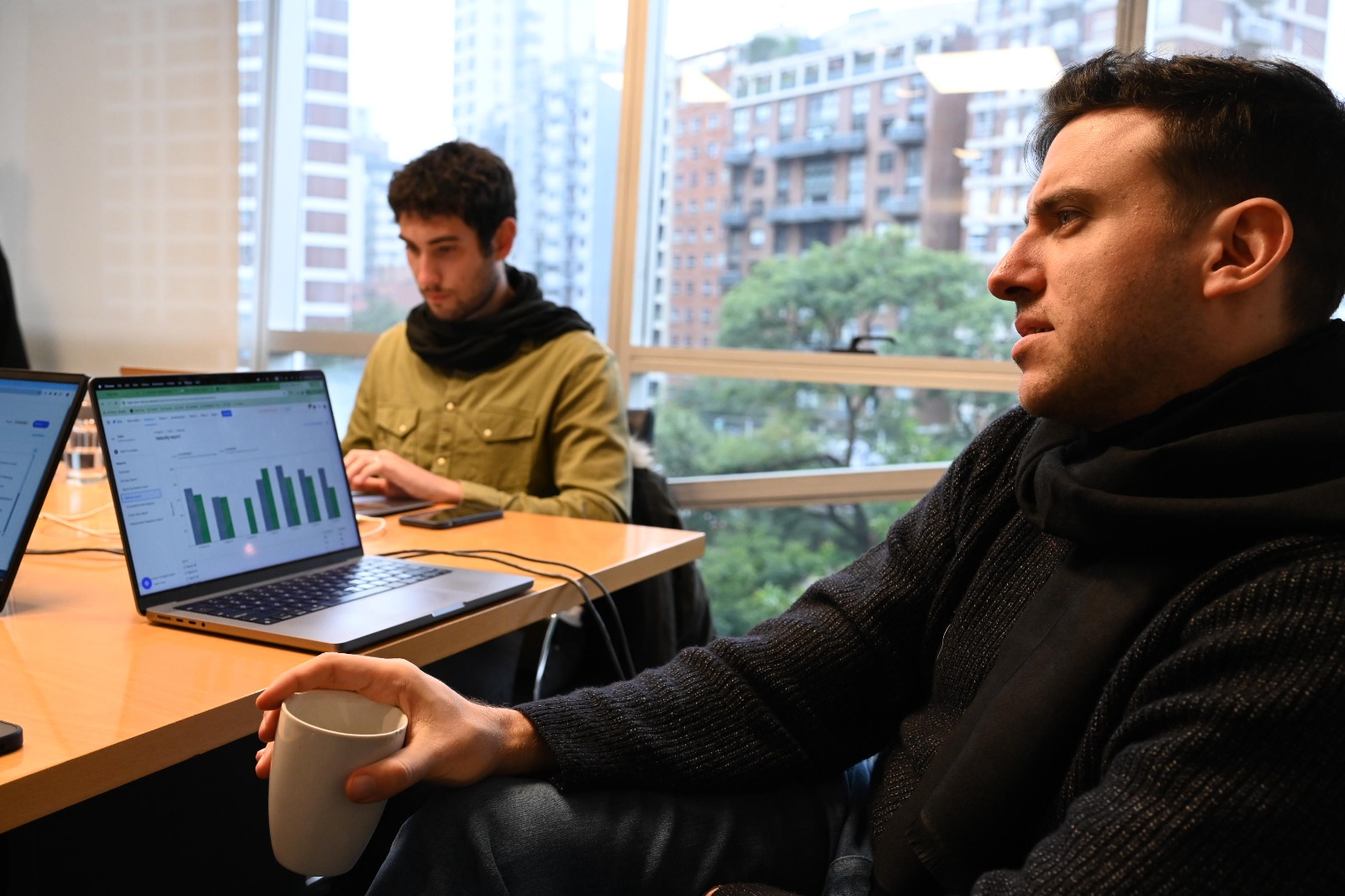
Q: Where did the “Tukki Eureka” moment come from?
A: I’d been working at McKinsey in Miami before, a truly consuming job where I learned an immense amount, fed my MBA experience, and flexed my business muscles. I had an itch to start something of my own though, to learn how to code, and get back to leading something bigger than me — like I did as an orchestra conductor and at my music school in Argentina — and knew I couldn’t do that while working as a consultant.
So I took the plunge, I left the company with no plan B. I was saying “yes” to all the potential ideas and adventures that crossed my path. I had continued studying programming on weekends and in May of 2023, I went to a Techstars Hackathon in Austin to present myself as a programmer, not a McKinsey consultant for the first time.
So you see, I already had this idea in mind. I knew there was a gap in the market because I’d been through the literal nightmare that was US immigration in the most traditional sense. It’s so old school and has not advanced at the rate of other industries that grow technology. I was ready to change that.
Q: Did the Hackathon reveal demand in the market for your idea?
A: In short, yes. Perhaps it was a sign that another group of programmers wanted to do something similar. We teamed up and pitched an AI-driven solution to immigration headaches and, out of around 30 teams, we won!
I took this as a sign that the idea was more than valid. I was already talking to an old colleague from McKinsey, Saviley Vasilev, and essentially we decided to become partners, and founded Tukki.
Q: So tell us, what convinced you and your co-founder to join forces on this mission?
A: The initial idea was to create a platform that would help lawyers. However, in-depth research revealed that lawyers weren’t struggling with the process as much — to a certain extent, it “worked” for them. But it didn’t work for migrants.
In my own experience, I’ve never been more frustrated with a process. I was super keen to achieve my green card in 2021 when I was still at McKinsey, so was never taking longer than a 24h to complete my tasks as they came to me. Every copy, every form I had to get hold of, I had it within a day. But the lawyers I worked with would take 7 to 10 days to respond at each step. Even my critical questions would receive a sort of canned response, late, and unspecific.
I lost 5 months of my life in the filing process.
Then, the government took another 18 months to give me a response.
Now, when I say I don’t think immigration should be this hard — you know I mean it. I felt completely alone in the process, fed up, and very ready to flip the process on its head.
By October 2023, I decided to incorporate Tukki with Saveliy Vasilev and supported by José De Wit, our legal advisor who leads a team of lawyers and paralegals. We married the technological expertise with legal structure to make a solution that people really need.
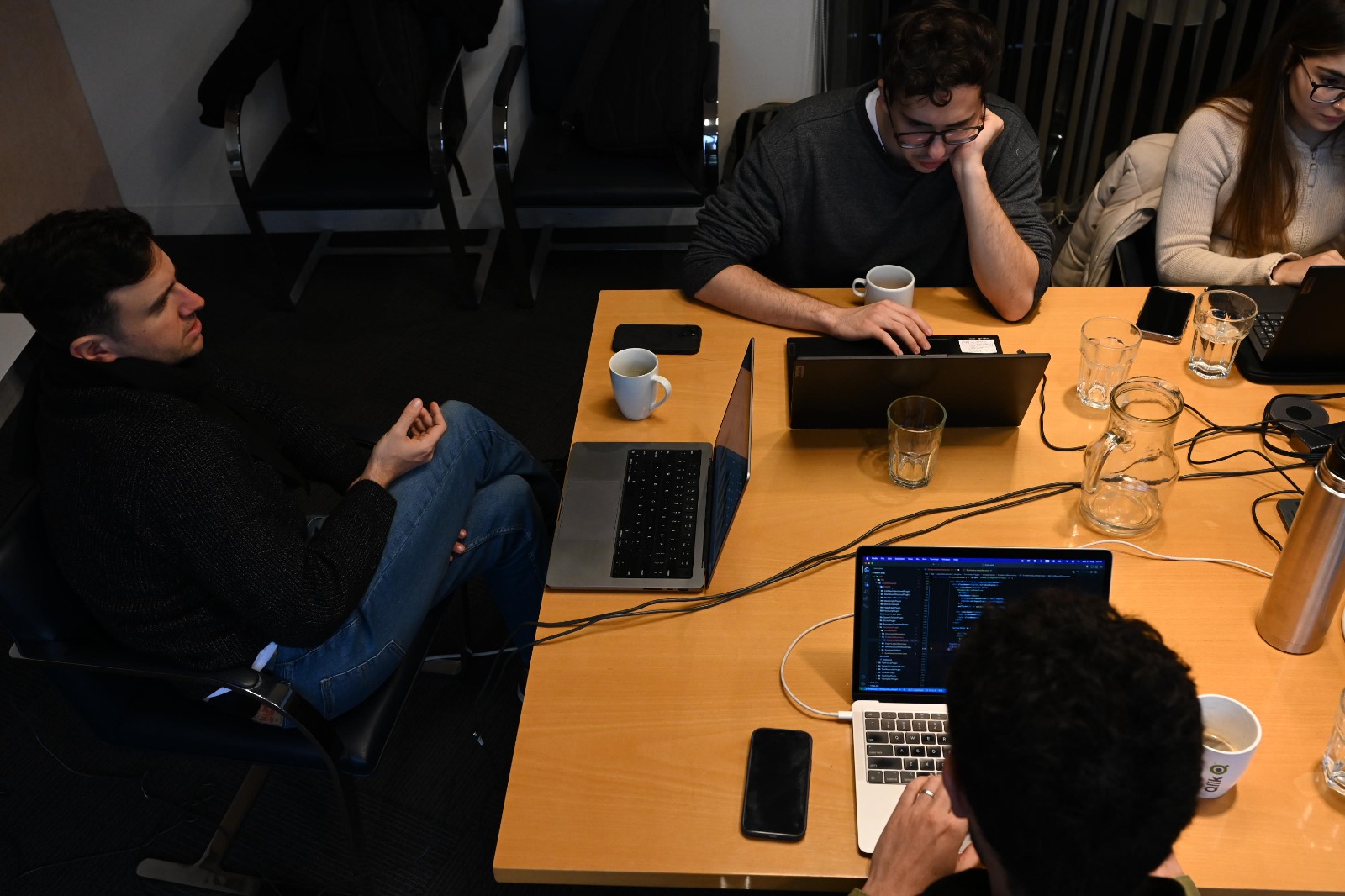
Q: How does Tukki fit into your own life plans and aspirations?
A: Bare minimum, I want to spend my life doing something that matters. It could be the most successful piece of technology, but whatever happens, I plan to enjoy this journey. And you know what, the feeling every time we achieve the “approved” notification for an applicant, and they leave the consulate in the green, that feeling is like no other.
If this interview inspired you, learn more about Ramiro by joining him on LinkedIn. And if you’re curious what the Tukki team’s been building, check out our visa match tool.
WE CAN HELP
Need more clarity?
Find quick answers to frequent visa questions from our legal experts
Which O-1 is better for a green card?
The O-1A aligns most cleanly with the EB-1A green card, because the two share a similar extraordinary ability framework, so evidence often carries over. The O-1B can also lead to an EB-1A, particularly from the arts side, though the EB-1A applies a higher standard of proof than either O-1 category.
If permanent residence is the goal, it helps to plan the O-1 category and the green card path together from the start.
Do I have an A-Number if I'm on a temporary work visa?
Not always. USCIS usually assigns an A-Number when you apply for a green card, an immigrant visa, or work authorization. Many people in nonimmigrant status don't have one until they reach those stages, so it's normal to leave the field blank if no number has been issued to you.
Which visa offers a better path to a green card?
The L-1A offers a clearer path to permanent residence because of its dual intent status and direct EB-1C green card category.
The E-2 allows indefinite renewals but has no built-in route to a green card.
Business owners who want to stay in the U.S. permanently often find the L-1A more strategically valuable for their immigration process.
Which U.S. jobs with visa sponsorship avoid the H-1B lottery?
Roles at cap-exempt employers avoid the H-1B lottery, including positions at universities, university-affiliated nonprofits, nonprofit research organizations, and government research organizations, which can file at any time of year.
Beyond the H-1B, the O-1, L-1, TN, and E-3 are not subject to the lottery at all, so targeting those routes or cap-exempt employers is a practical way to work around it.
How much documentation do I need to file a visa petition for an EB-1A or O-1A visa?
In US immigration processes, your claims must be more likely than not to be true. This means if something appears more true than false, USCIS should accept it as true. To meet this standard, the visa petitioner should provide documents that convincingly support the claim’s validity.
For instance, to prove you received VC funding, you could provide signed SAFE agreements with a VC, a published article about your funding round, and documentation about the relevance of the VC.
Keep in mind that theory and practice do not always perfectly align. It’s crucial you speak to an experienced legal team to avoid spending time and money on documentation that does not support your case.
Other blogs for every step of your visa journey
Form I-290B after a denial: motion to reopen, motion to reconsider, or appeal
9 mins read | Oct 16, 2026
EB-2 NIW approval rate: what the published numbers show and where cases fail
8 mins read | Oct 15, 2026
Form I-539: how to extend or change your status without leaving the U.S.
8 mins read | Oct 14, 2026