Form I-290B after a denial: motion to reopen, motion to reconsider, or appeal
9 mins read | Oct 16, 2026
THE COMPLEX AND STRESSFUL EXPERIENCE OF US IMMIGRATION APPLYING FOR AN O-1 VISA
Contributor
Tukki
Reading time
4 mins read
Date published
Aug 22, 2024
When Akrisht Pandey, started his pursuit of an O-1 visa, he was no stranger to the challenges of visa applications. As Director of Real Estate at Casas KREA, he had previously worked with his company's lawyer to navigate the complexities of H-1B and O-1 visas, in addition to assisting with visas for his company’s construction workers. That initial process was anything but smooth.
The problems began with poor documentation control. Akrisht had diligently compiled all the necessary documents, categorically organizing them according to the lawyers' requests. However, “only as the application deadline approached did the lawyers begin communicating, asking for the same documents that had already been submitted,” Akrisht tells us. This led to delays and stress, as the legal team seemed to lose track of the materials Akrisht had already provided.
One particularly frustrating experience involved a visa application for a worker that should have been straightforward: it was a TN visa and required only basic documents, such as a resume, a letter of offer, and a brief explanation of the worker's skills and the company's needs. Despite submitting these documents well in advance, the lawyers informed Akrisht just days before the visa interview that the offer letter format was incorrect, requiring a last-minute revision.
The repeated miscommunications, last-minute changes, and general lack of organization from the legal team left Akrisht overwhelmed and frustrated—as it would any visa applicant. “Just applying for that was very, very stressful. I was spending more time applying for people's visas than I was working on my own job,” says Akrisht.
When the time came to apply for his own O-1 visa application, the experience managing others’ visas made him question whether this legal team was the right fit. The O-1 visas require even more rigorous documentation and proof of qualifications, and need to be entrusted to true pros.
Akrisht had also tried to manage some visa applications independently in the past, particularly with his F1 student visa. For example, one critical payment required for the visa process was mentioned only in a single line on the website. The payment had to be made through a separate website, managed by a different department, and proof of payment needed to be brought to the visa appointment… “Why can't they put everything in one place?!” marvels Akrisht.
This lack of clarity had led to several of Akrisht’s acquaintances being rejected at their visa appointments, exacerbating the sense that a successful visa process would be impossible alone.
“For the F1 visa, there are some forums sharing recommendations of what you can submit and take to interviews, but there’s nothing like that for the O-1,” explains Akrisht. While it might be feasible to handle a student visa on his own, securing an O-1 visa—a much more complex and documentation-heavy process—would require professional help.
Recognizing the need for a more reliable and supportive legal team, Akrisht was referred to Tukki, including our expert lawyers. From the very beginning, the difference in approach was evident.
“I got my O-1 visa approved thanks to the team at Tukki and their lawyers were amazing, a really good process. The team did everything to the best of their ability.”
Unlike his previous experiences, Akrisht felt supported throughout the entire application process. The team worked closely with him to gather and organize all the necessary evidence, emphasizing the importance of thorough and accurate documentation. They were proactive in their communication, addressing any potential issues well before they could become problems. This level of attention and professionalism gave Akrisht confidence that his application was in good hands.
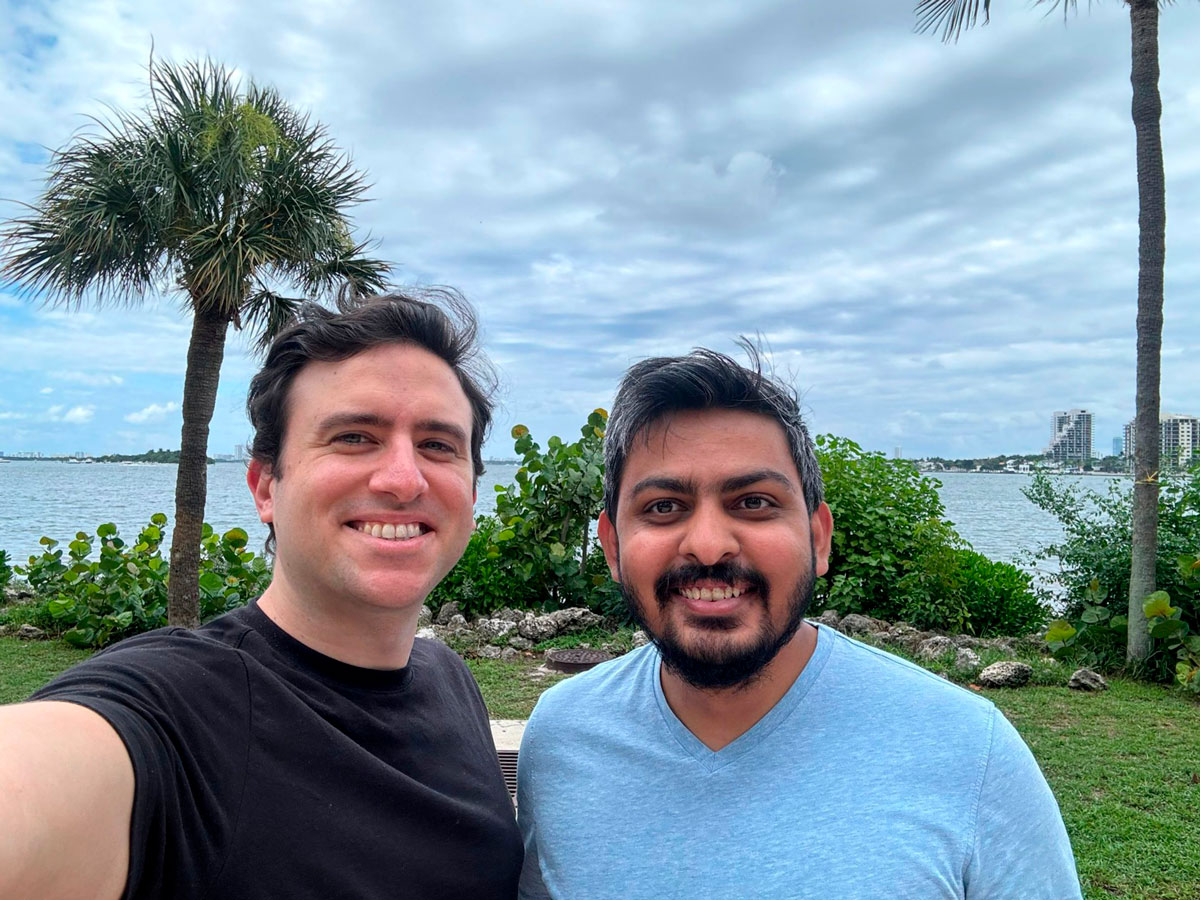
Even in moments of doubt, Akrisht appreciated the transparency and honesty of the team at Tukki. They made it clear that while they would do everything in their power to present the strongest possible case, the outcome would ultimately depend on the sufficiency of the evidence provided. This straightforward communication helped manage expectations and reduce stress, allowing Akrisht to focus on gathering the best possible documentation for his application.
We have a happy ending! Akrisht was approved for his O-1 visa, a significant achievement that he credits to the exceptional support he received from Tukki’s legal team. The difference in his experience with this team compared to his previous attempts was night and day. Where other lawyers had caused stress and confusion, Ramiro's team provided clarity, support, and effective guidance.
Akrisht’s case highlights the importance of working with a knowledgeable and attentive legal team when navigating the US immigration processes. He learned the hard way that trying to manage such a process alone, or with inadequate support, can lead to unnecessary stress and potential failure.
We’re thrilled that with the right team by his side, he was able to secure his visa with the premium experience curated by Tukki.
WE CAN HELP
Need more clarity?
Find quick answers to frequent visa questions from our legal experts
What is the difference between the O-1A and O-1B visa?
The O-1A is for individuals with extraordinary ability in the sciences, education, business, or athletics.
The O-1B is for those with extraordinary ability in the arts, or extraordinary achievement in film and television.
While the two categories share similar criteria, the type of evidence required differs based on the field.
In some cases, applicants may qualify under both categories—for example, a marketing professional whose work combines both business and artistic elements.
Do influencers need a U.S. employer to get an O-1 visa?
You can't self-petition, but you don't need a traditional employer. Every O-1 petition requires a U.S. employer, agent, or organization to file Form I-129 on your behalf.
For influencers who work with multiple brands and platforms, agent sponsorship is the most common structure. An agent files the petition and allows you to work across different projects and clients on a single visa.
Is the O-1 visa easier to get than the H-1B?
Not on the eligibility side. The H-1B is harder to win because of the lottery, but the underlying criteria are more accessible: a bachelor's degree, a specialty occupation job, and a willing U.S. employer.
The O-1 has no lottery, but the evidence requirements for extraordinary ability are real and selective, so the bar is higher even though the process is more flexible.
What is the cheapest way to keep the O-1 visa cost down?
The largest controllable costs are premium processing and attorney fees. If your timeline has room, skipping premium processing saves $2,965, and filing a change of status from inside the U.S. avoids the $205 consular MRV fee.
Attorney costs come down when your evidence is already well organized against the O-1 criteria, since a cleaner case is faster to prepare and less likely to draw an RFE.
What's the difference between an RFE and a NOID for O-1A cases?
An RFE (Request for Evidence) signals that the officer needs more documentation before deciding. A NOID (Notice of Intent to Deny) signals that the officer is leaning toward denial and is giving you a final chance to change their mind.
NOID responses require a stronger showing because the officer has already formed a tentative view. For general RFE context across all visa types, see our USCIS RFE guide. For specifics on the O-1A timeline, see our O-1A processing time guide.
Other blogs for every step of your visa journey
Form I-290B after a denial: motion to reopen, motion to reconsider, or appeal
9 mins read | Oct 16, 2026
EB-2 NIW approval rate: what the published numbers show and where cases fail
8 mins read | Oct 15, 2026
Form I-539: how to extend or change your status without leaving the U.S.
8 mins read | Oct 14, 2026